Key benefits
- Early care that helps prevent chronic pain
- Thorough exam and injury documentation
- Drug-free relief from whiplash and strain
- Coordination with attorneys and insurance
- A clear, structured recovery plan
- Care for injuries that surface days later
Feeling okay isn't the same as being okay
Even a low-speed collision can injure the spine, neck, and soft tissues, and adrenaline can hide it at the scene. Days later the stiffness, headaches, and pain arrive. The patients who get checked early, whether or not they hurt yet, are the ones who avoid turning a fixable injury into a chronic one.

Why post-accident care matters
The body's first response to a crash is to splint and protect, which can mask the real injury for days or weeks. By the time symptoms peak, the dysfunction is established. Early evaluation and structured care change that trajectory and shorten the road back.
What recovery looks like
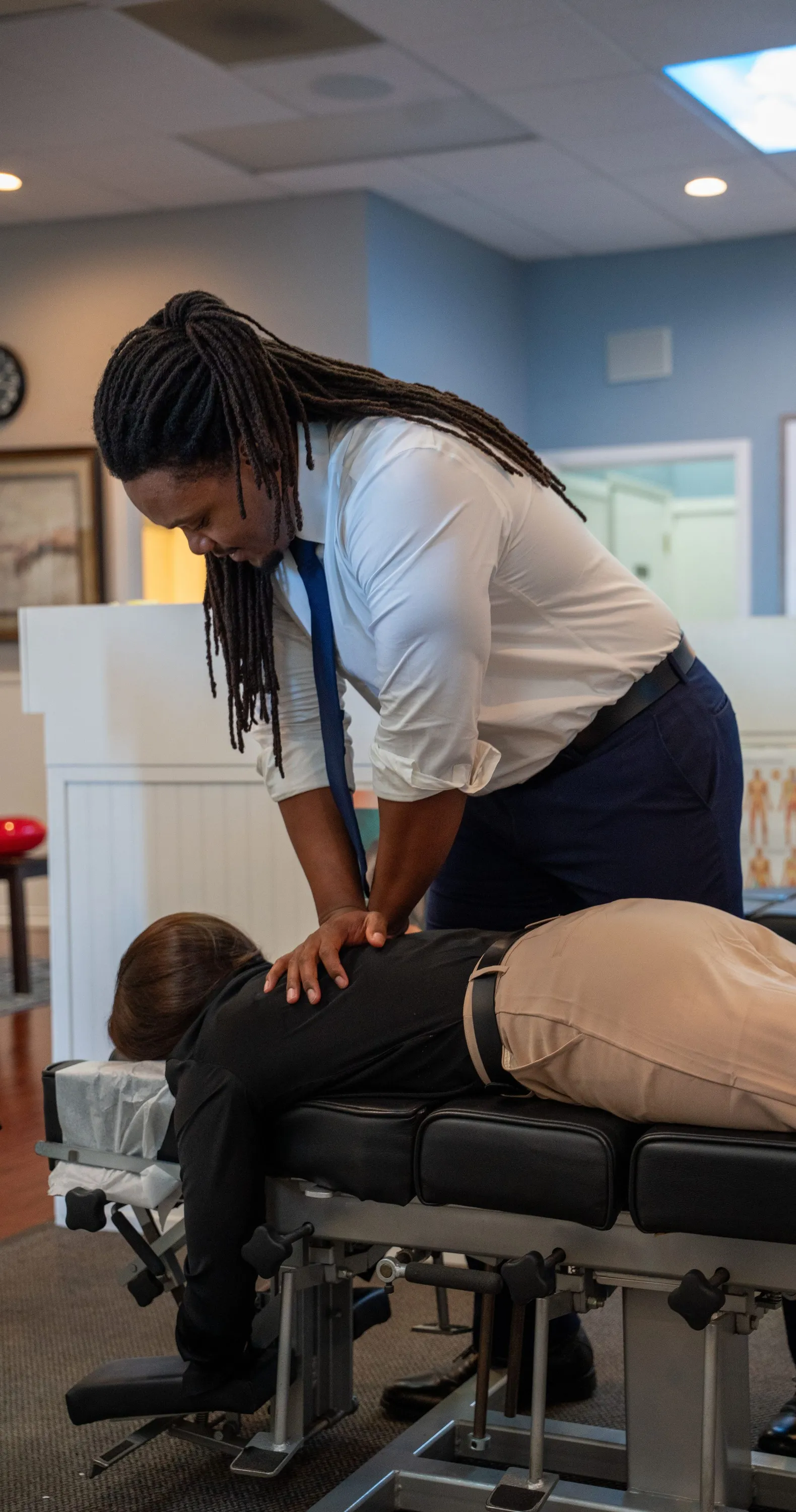
We build a clinical protocol that addresses both the pain and the underlying tissue injury, gentle, progressive adjustments paired with soft-tissue and recovery work. Care advances as you heal, so you're never pushed faster, or held back longer, than your body needs.

Documentation that helps your case
If you're working with an attorney or filing an insurance claim, we provide the detailed exam notes, imaging review, and progress documentation they need. We've guided patients through this process for years and can coordinate directly with your team.
How it works
What to expect
Immediate evaluation
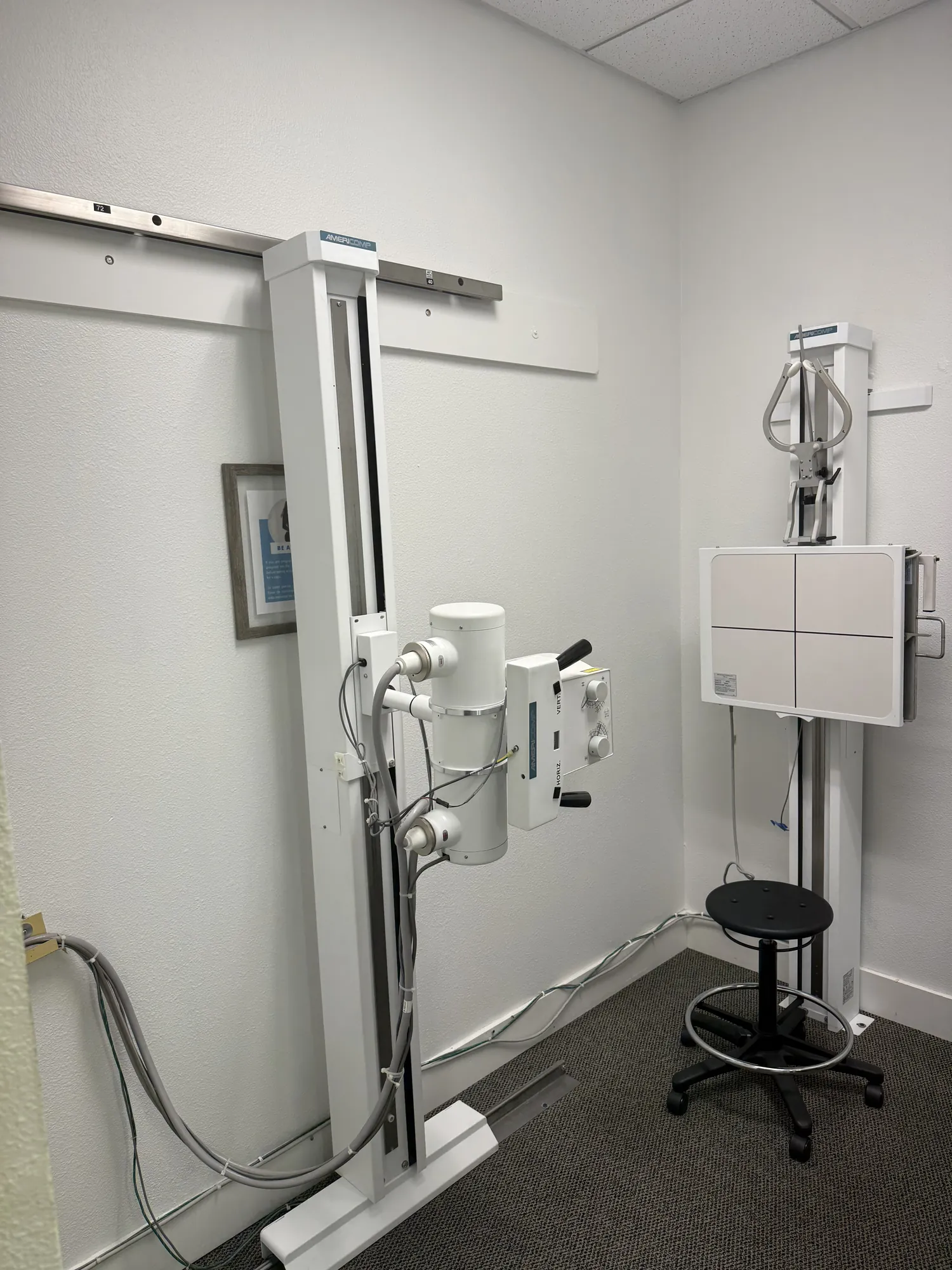
Full exam, imaging review, and documentation, the sooner the better.
Structured recovery plan
A clinical protocol that addresses both pain and the underlying tissue injury.
Progressive care
Treatment that advances as you heal, never rushed, never dragged out.
Documentation
Detailed notes for your attorney or insurance provider, on request.
Frequently asked
Common questions about auto injury care
I don't feel that bad, do I still need to be seen?
+
Yes. Many accident-related injuries take two to six weeks to surface. Early baseline documentation matters whether or not you're symptomatic now.
Do you bill insurance or work with attorneys?
+
Yes, we routinely coordinate care with both. Bring whatever paperwork you have to your first visit.
How soon after the accident should I come in?
+
As soon as you can. The earlier we evaluate and start care, the better your odds of a full recovery and the cleaner your documentation.
Is the care painful?
+
No. We use gentle, progressive techniques appropriate for injured tissue, and we scale everything to your comfort and stage of healing.
What if my pain is already chronic?
+
We can still help. Even older accident injuries often respond well once care targets the underlying tissue damage and joint restriction.