What's happening
Understanding plantar fasciitis
Plantar fasciitis is inflammation of the tissue along the bottom of the foot, causing sharp heel pain, especially with your first steps in the morning.
How chiropractic care helps
- Drug-free relief from heel pain
- Easier first steps in the morning
- Less strain on the plantar fascia
- Care that addresses foot and ankle alignment
- Support for proper healing
- Guidance to prevent it returning
Why your heel hurts
The plantar fascia is a thick band of tissue along the bottom of your foot that supports your arch. When it's overloaded, by tight calves, poor mechanics, or too many miles, it gets irritated and inflamed, producing that stabbing heel pain that's worst with your first steps in the morning.
How we treat plantar fasciitis
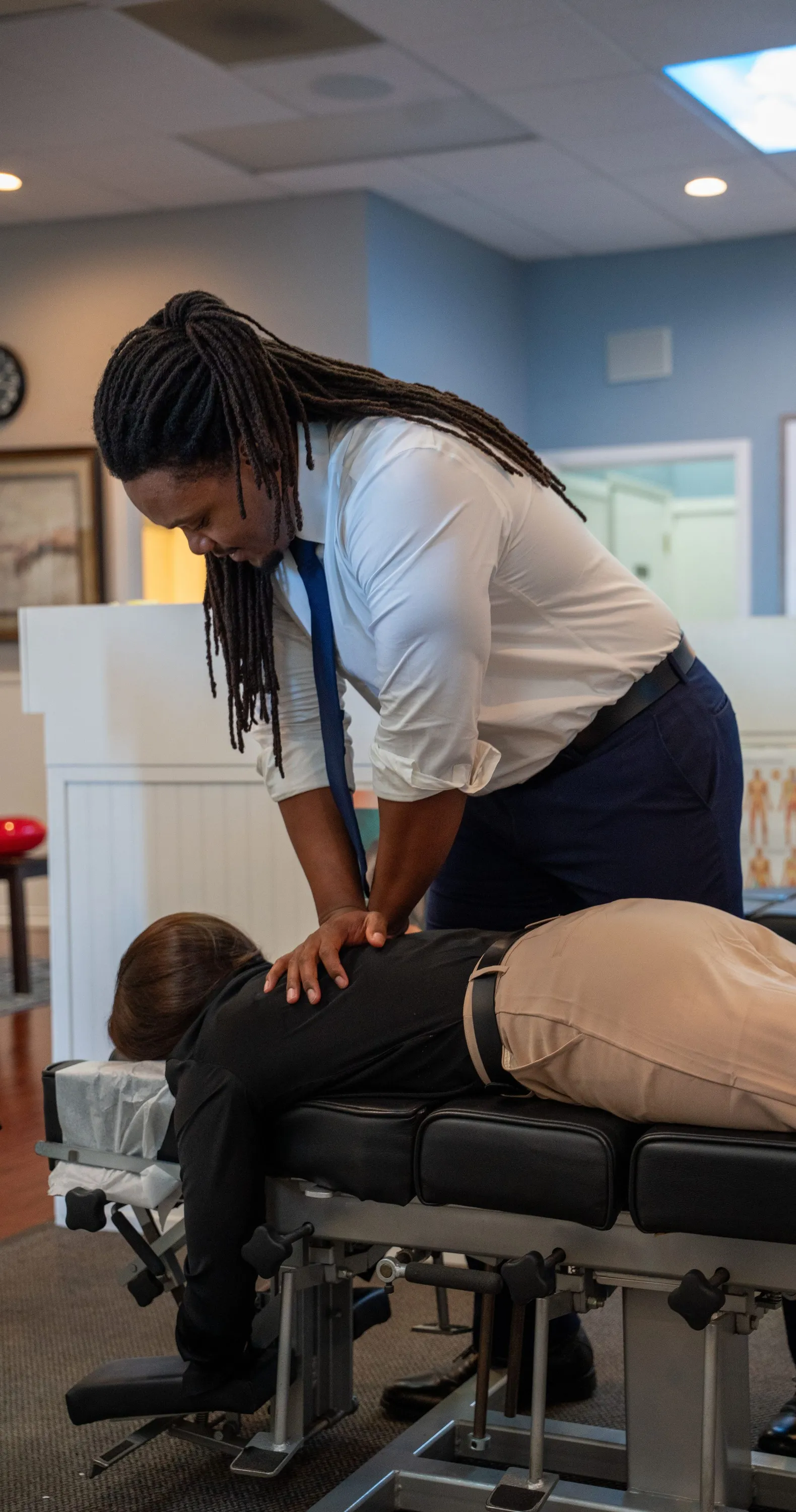
We work on the foot and ankle and check alignment all the way up the chain, since how your knees, hips, and pelvis load can drive foot strain. Soft-tissue work and adjustments reduce tension on the fascia so it can finally heal.
Pain-free steps again
We add calf and foot mobility, strengthening, and footwear guidance to correct the mechanics that caused the problem, so you can walk, run, and stand without the heel pain creeping back.
Why it happens
Common causes of plantar fasciitis
What you might feel
Signs we commonly see
- Sharp heel pain in the morning
- Pain after long periods standing
- Tightness along the arch
- Discomfort that eases then returns
How it works
What to expect
Consultation & exam
We listen to your history and assess how your body moves to pinpoint the real source of the problem.
Report of findings
We explain what we found and what care looks like, in plain language, with no surprises.
Targeted adjustments
Gentle, precise care to restore motion, ease nerve pressure, and release tight muscles.
Strengthen & prevent
Movement, posture, and habit guidance so the relief holds and the problem stays gone.
Frequently asked
Common questions about plantar fasciitis
Can chiropractic help plantar fasciitis?
+
Yes. By addressing foot and ankle mechanics and the alignment of the whole lower limb, we reduce the strain that keeps the fascia irritated.
Why is it worst in the morning?
+
The fascia tightens overnight, so the first steps stretch irritated tissue. Improving mechanics and tightness eases that morning pain over time.
Do I need custom orthotics?
+
Sometimes supportive footwear or orthotics help, but they work best alongside care that fixes the underlying mechanics. We'll advise based on your case.
How long does it take to heal?
+
Plantar fasciitis takes patience, often several weeks, but most patients see steady improvement with consistent care and the right home work.
Can I keep exercising?
+
Usually with modifications. We'll guide you on load and footwear so you stay active while the fascia recovers.