What's happening
Understanding trigger point & myofascial pain
Trigger point (myofascial) pain is muscle pain caused by small, tight, tender knots in a muscle and its surrounding fascia. Pressing on a trigger point hurts locally and often sends pain somewhere else, like a knot in the upper shoulder that causes a headache. At Discover Chiropractic in San Jose, we treat it by releasing the knots with hands-on soft-tissue work and correcting the joint, posture, and movement strain that keeps creating them.
How chiropractic care helps
- Hands-on release of tight, tender knots
- Relief for referred pain and tension headaches
- Better range of motion and flexibility
- Care that targets why the knots keep coming back
- Drug-free and non-invasive
- Simple stretches and habits to use at home

What a trigger point actually is
A trigger point is a small patch of muscle fibers that has contracted and won't fully let go. Blood flow in that spot drops, irritating waste products build up, and the area becomes tender and tight. Because muscles and fascia are connected in long chains, a trigger point often refers pain elsewhere, so a knot in the shoulder blade can show up as neck pain, and one in the upper trapezius can feel like a headache behind the eye. When several trigger points keep the same region painful, it's called myofascial pain syndrome.

How we treat myofascial pain
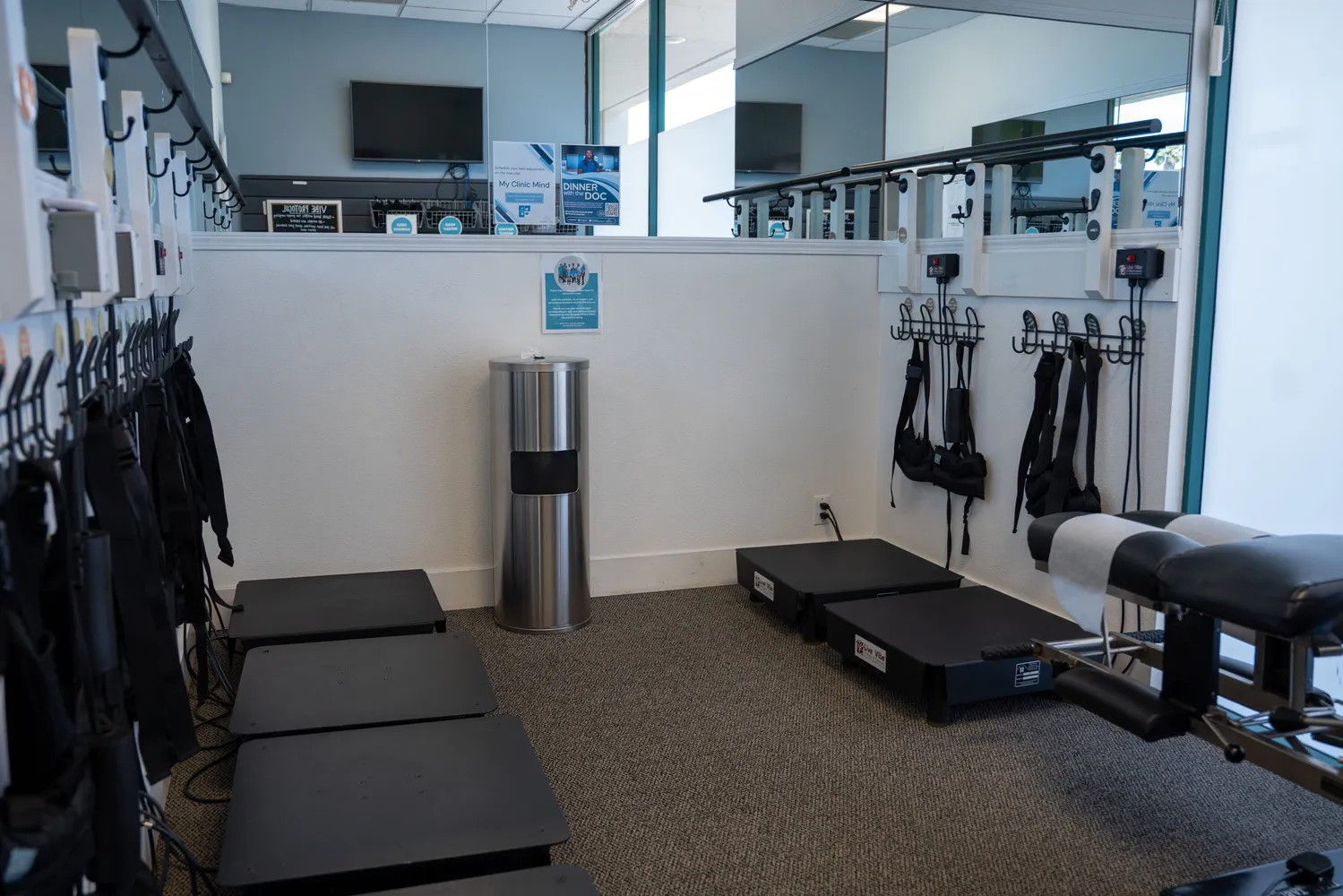
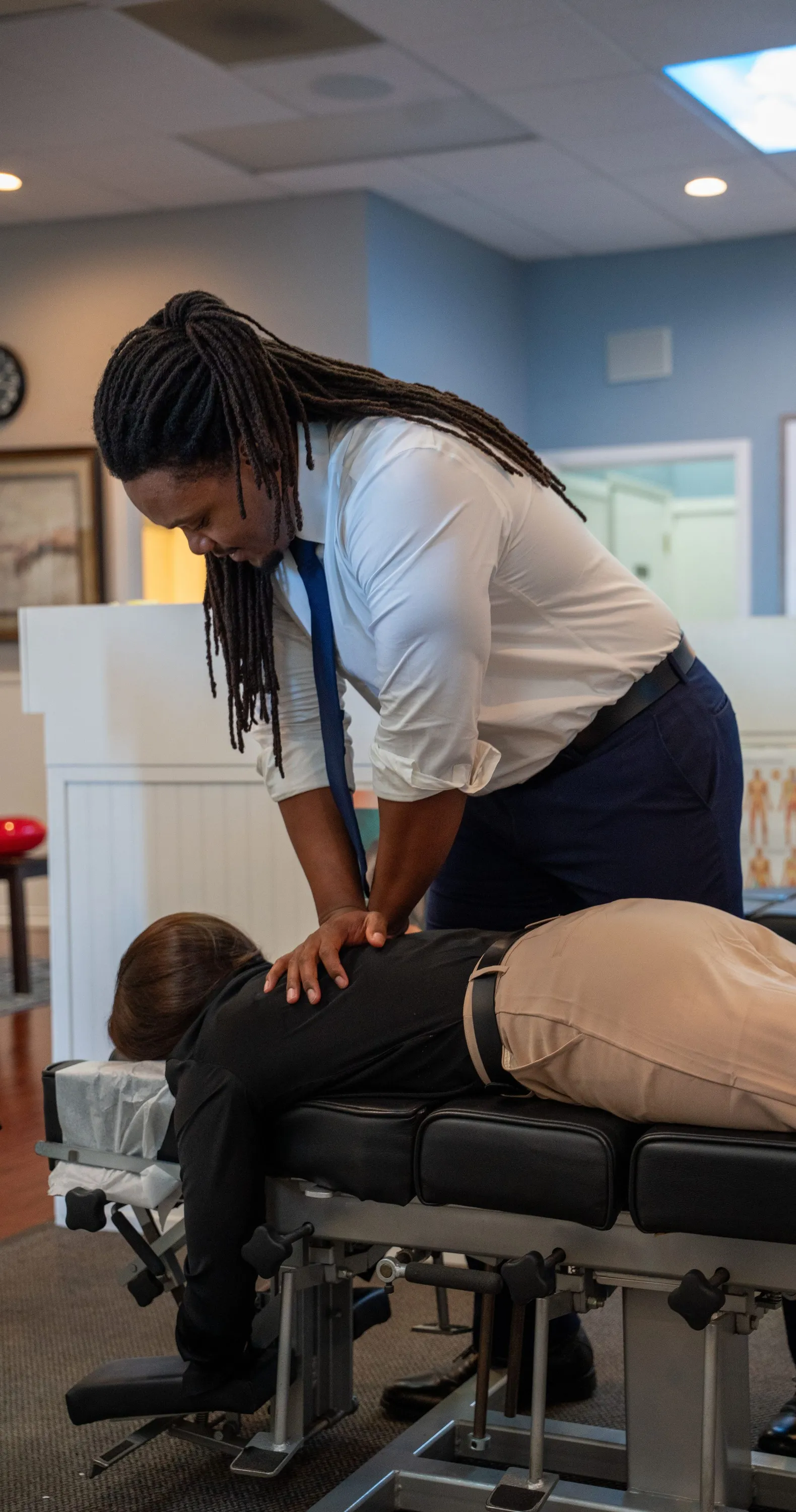
We start by finding the active trigger points and the pattern behind them. Hands-on soft-tissue work, such as sustained pressure and release, helps the knot relax and restores blood flow. Chiropractic adjustments then free up stiff joints in the neck, upper back, or low back that make nearby muscles guard and tighten. Where it fits your case, we may add therapies we offer in our San Jose office, such as vibration therapy or StemWave, to support the soft tissue.

Keeping the knots from coming back
Releasing a trigger point brings relief, but if the strain that created it is still there, it tends to come back. So we look at how you sit, work, train, and sleep, and give you a few targeted stretches, strengthening moves, and setup changes that fit your routine. For the many San Jose patients who spend long days at a desk or on a laptop, small changes to screen height and break habits make a real difference.
Why it happens
Common causes of trigger point & myofascial pain
What you might feel
Signs we commonly see
- A deep, aching knot you can press on
- Pain that spreads to another area when pressed
- Headaches that start in the neck or shoulders
- Stiffness and reduced range of motion
- A muscle that feels tight even at rest
- Soreness that worsens with stress or long sitting
How it works
What to expect
Consultation & exam
We listen to your history and assess how your body moves to pinpoint the real source of the problem.
Report of findings
We explain what we found and what care looks like, in plain language, with no surprises.
Targeted adjustments
Gentle, precise care to restore motion, ease nerve pressure, and release tight muscles.
Release, retrain & prevent
Soft-tissue release, adjustments, and simple home care so the knots stay gone.
Frequently asked
Common questions about trigger point & myofascial pain
What is the difference between a trigger point and a muscle knot?
+
They're the same thing. "Muscle knot" is the everyday name, and "trigger point" is the clinical one. Myofascial pain is the broader term for ongoing pain caused by one or more of these points in a muscle and its fascia.
Can a chiropractor help with trigger points?
+
Yes. We use hands-on soft-tissue work to release trigger points and chiropractic adjustments to free up the stiff joints that often keep nearby muscles tight. After an exam, we'll be honest about whether our care is the right fit for your pain.
Can trigger points cause headaches?
+
They can. Trigger points in the upper shoulders, neck, and base of the skull commonly refer pain into the head, causing tension-type headaches. Releasing those points and improving neck posture often helps.
How many visits will I need?
+
It depends on how long the pain has been there and what's driving it. Many people notice a change within the first few visits; long-standing myofascial pain usually takes longer. We'll give you a clear plan at your report of findings.
Do you treat myofascial pain at your San Jose office?
+
Yes. We see patients for trigger point and myofascial pain at our office at 1305 N Bascom Ave in San Jose. No referral is needed. Call (408) 985-1111 or book online to schedule.