If your headaches keep coming back despite pain relievers, the real source may be your cervical spine. Here's what cervicogenic headaches are and why treating the neck changes everything.
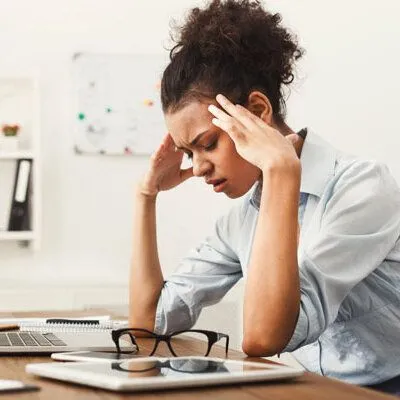
Most people who deal with regular headaches reach first for ibuprofen, maybe a cold compress, and hope. For a lot of those headaches that approach works just enough to get through the day but never actually stops them from coming back. That is because many of the most stubborn headaches are not really problems in your head at all — they are problems in your neck.
Headaches that come from your cervical spine
Cervicogenic headaches (the word means originating from the cervical spine) are triggered by dysfunction in the joints, muscles, or nerves of the neck and upper back. They typically appear as a dull or aching pain on one side, often radiating from the base of the skull upward through the head or settling behind one eye. They can feel remarkably similar to tension headaches or migraines, which is part of why they go undiagnosed and undertreated for years. Common contributors include forward head posture built up over hours at a screen, sleeping in an awkward position, or old neck strains that never fully healed.
Why pain relievers don't break the cycle
Over-the-counter medication can quiet a headache for a few hours, but it does not address what is causing the joints and muscles of your neck to generate pain signals in the first place. When the joints at the top of the cervical spine lose their normal range of motion, the surrounding muscles tighten as a protective response. That tension and restricted movement irritate the nerves that refer pain upward into the head. Taking a pill turns down the volume; it does not restore movement to the joints or release the muscles that are driving the pattern.
How chiropractic care addresses the source
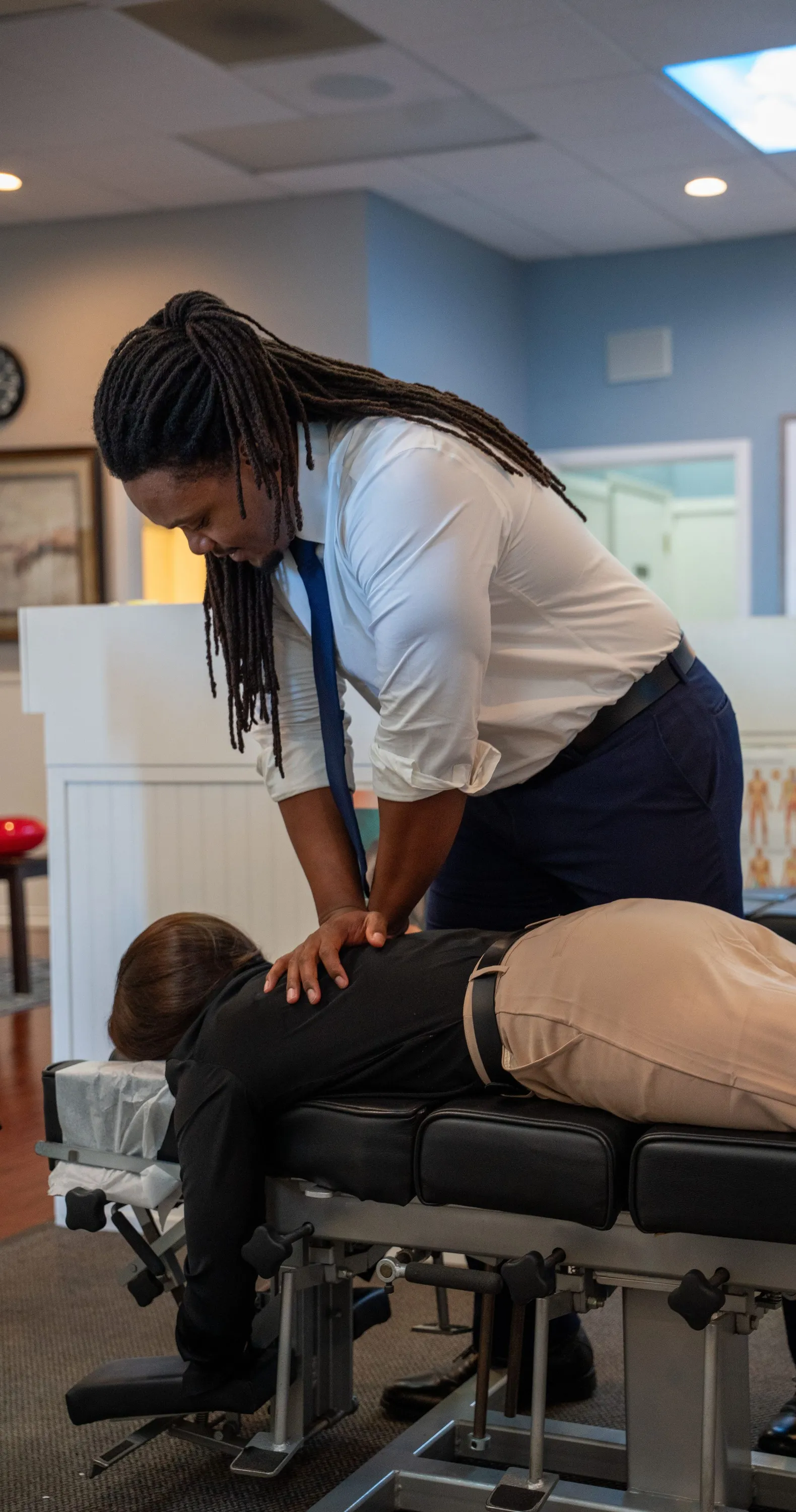
Targeted cervical adjustments restore normal motion to the restricted joints at the base of the skull and along the upper neck. When those joints move the way they should, the protective muscle spasm begins to ease and the irritation of the local nerves calms down. Many patients who have cervicogenic headaches find that over a course of care the headaches become less frequent, less intense, and shorter-lived. We pair adjustments with soft-tissue work and posture guidance because the neck does not live in isolation from the rest of your day.
A straightforward place to start
If your headaches are frequent, resistant to medication, or tend to arrive alongside neck stiffness, it is worth finding out whether the cervical spine is the driver. We will take a thorough look at how your neck is moving, talk through your headache pattern, and give you an honest read on whether chiropractic care is likely to help. To schedule a consultation at our San Jose office, call us at (408) 985-1111. A headache that keeps coming back almost always has a reason — and a reason can be addressed.