It wasn't the gym. It was reaching into the back seat or picking up a laundry basket. Here's why mundane movements cause real injuries — and what to do about the pattern behind them.
It rarely happens in the gym. For most people the back injury that sidelines them for a week was not from deadlifts or a heavy yard project — it was from reaching into the back seat of the car, picking up a laundry basket, or standing up after an hour on the couch. Mundane moments, immediate pain. The ordinariness of the trigger is part of why it catches people so completely off guard, and why so many assume they must have done something wrong without realizing the real setup happened long before.
How an ordinary move becomes a real injury
Your spine handles an enormous amount of load every day, and it is designed for that — but only when the surrounding muscles are doing their share of the work. When the hip flexors are chronically tight from sitting, when the deep core muscles have gone quiet, and when the thoracic spine has lost its normal mobility, your lumbar spine picks up the slack for all of it. By the time you bend to grab a bag of groceries, you are not starting from a neutral, supported position. You are starting from a compromised one. The movement that causes pain is usually the last straw, not the cause.
The role of accumulated stress
Low back injuries rarely happen in a vacuum. They tend to build quietly over time: hours of forward-leaning posture compress the discs, tight hip flexors pull the pelvis forward and increase the curve in the lower back, and weak glutes force the lumbar muscles to absorb forces they were never meant to carry alone. Summer makes this pattern especially visible — people who sit at desks all week suddenly spend a weekend moving furniture, pulling weeds in the yard, or hauling gear to the lake. A body already operating at the edge of its capacity has very little margin left when the load increases.
Why the same injury keeps coming back
One of the most frustrating things about back injuries is the cycle. The pain resolves, life goes back to normal, and then three months later something equally minor sends it crashing back. That pattern usually means the mechanics that allowed the first injury were never actually addressed — only the pain was. A back that heals on its own is not necessarily a back that has fixed the underlying movement problem. Without resolving that, the next ordinary moment becomes the next trigger.
A concrete place to start
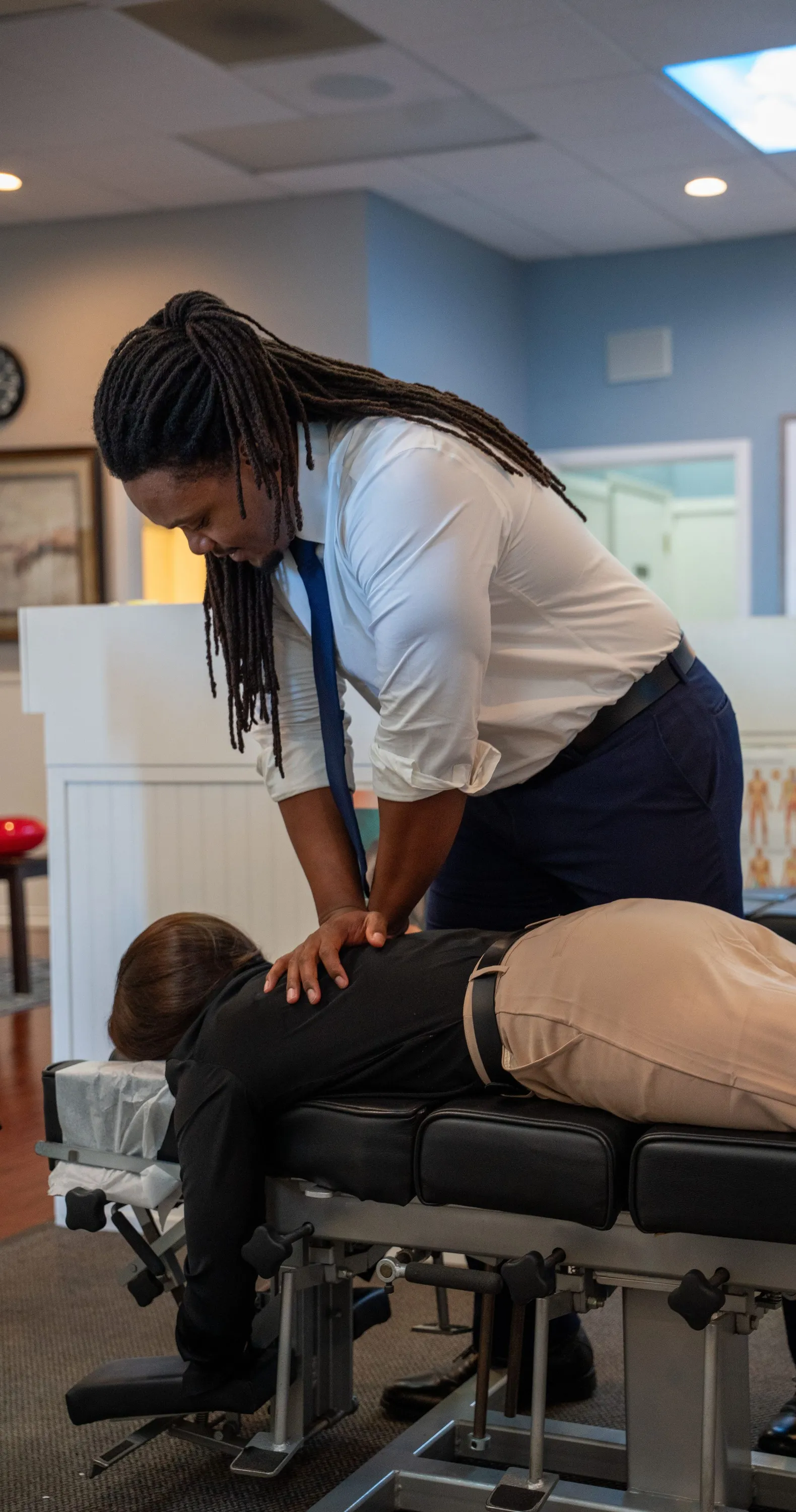
Whether you are in the middle of a flare-up right now or you recognize this cycle and are tired of waiting for the next episode, a thorough evaluation can show exactly where the restriction is and what is driving the pattern. We will look at how your hips and lumbar spine are moving, talk through what has happened before, and give you an honest read on what it will take to break the cycle. Call us at (408) 703-8498 to schedule a consultation at our San Jose office. Back injuries respond well to care — especially when we address the pattern behind them, not just the pain.