Morning soreness is common, but it is not something you just have to live with. The position you sleep in — and the support under you — can silently stress your spine for eight hours straight.
Most people write off morning stiffness as just how things go — get up, move around, it eventually loosens up. But if you are regularly waking up with a sore neck, a tight lower back, or that deep ache between your shoulder blades, your body is flagging something worth paying attention to. You spend roughly a third of your life sleeping, which means seven or eight hours of sustained pressure on a spine that needs movement and proper alignment to stay healthy. That is a long time for a small problem to compound.
What your spine is doing while you sleep
During sleep, your muscles relax and stop actively supporting your joints. The load shifts entirely to passive structures — the discs, ligaments, and joint capsules. In a good position with proper support, this is actually a chance for the spine to decompress. In a poor position, those same structures absorb hours of sustained strain. The cervical spine in your neck and the lumbar curve in your lower back take the most punishment, because even a slightly off pillow or mattress holds them in a compromised position all night long.
The positions that create the most strain
Stomach sleeping is the most problematic. It forces your head to rotate to one side for hours and flattens the natural curve of the lumbar spine, putting steady pressure on the joints and discs. Most stomach sleepers do not realize how much strain this creates until they have spent enough mornings wondering why their neck hurts. Side sleeping is generally spine-friendlier, but the pillow has to be thick enough to keep your head level with your shoulder — too thin and your neck tilts toward the mattress; too thick and it cranks the other way. Back sleeping works well for many people, provided the lower back has enough support and does not hang unsupported above the mattress.
Small adjustments that make a real difference
If you sleep on your side, try placing a pillow between your knees. It keeps your hips stacked, stops the top leg from pulling your pelvis into a twist, and relieves a surprising amount of strain on the lower back and sacroiliac joint. Back sleepers often benefit from a pillow under the knees to ease lumbar pressure. And a worn-out, flat pillow that no longer supports your neck's curve is worth replacing — sized to your shoulder width, it can make an immediate difference in how you feel in the morning. These are simple changes, but they add up across hundreds of nights.
When better habits are not enough on their own
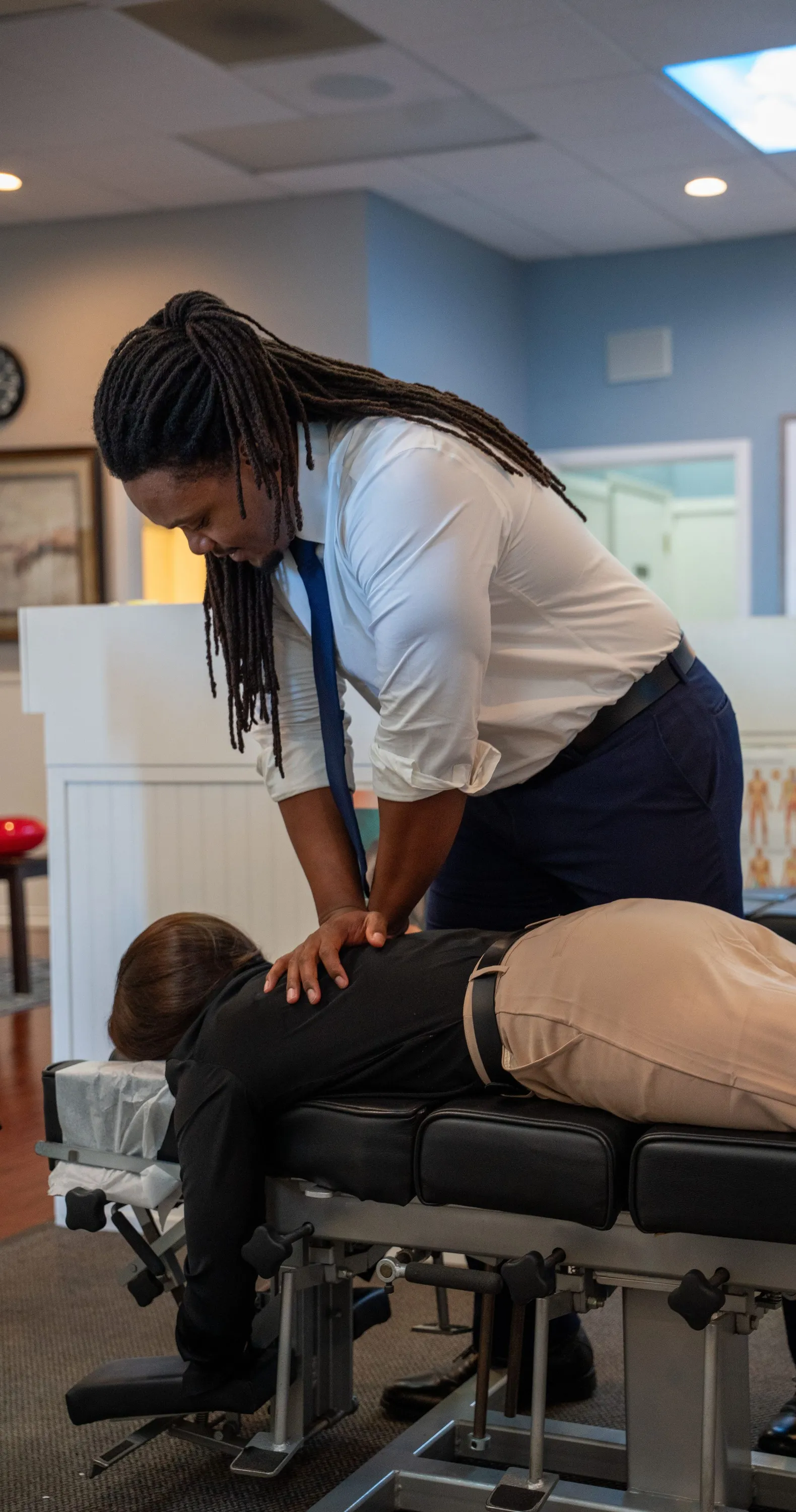
Even with an improved sleep setup, a spine that has spent months or years in a poor position develops restrictions that do not correct themselves overnight. Those joints need direct attention to restore normal motion, and until they get it, morning stiffness tends to stick around. If waking up sore is a regular part of your day, a chiropractic evaluation is a straightforward place to start. We will look at how your spine is actually moving, talk through your sleep habits, and give you an honest read on what will help most. Call us at (408) 703-8498 to schedule a consultation at our San Jose office — a good night's sleep should leave you feeling better, not worse.