A vibrating platform might be the last thing you expect to see in a chiropractic office. Here's what whole body vibration therapy does, and why it makes a real difference for so many of our patients.
When patients step into our San Jose office for the first time, the vibrating platform in the corner sometimes gets a curious look. It does not look like a traditional piece of chiropractic equipment, and it is not. Whole body vibration therapy is a separate tool that we pair with adjustments, soft-tissue work, and rehabilitation, and for many patients it turns out to be the piece that makes the biggest difference in how they feel between visits.
What happens on the platform
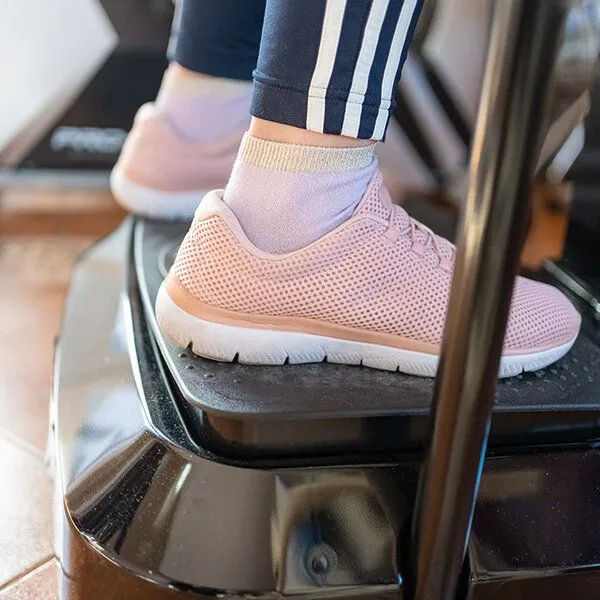
A vibration platform oscillates at a set frequency, typically between 25 and 50 cycles per second, while you stand, sit, or perform light movement on it. That rapid rhythmic input triggers a stretch reflex in your muscles: they contract and release involuntarily, dozens of times per second, without any conscious effort on your part. The muscles that tend to respond most are the deep stabilizers around the spine and pelvis, the same muscles that hold your posture upright and protect your joints during movement. These are notoriously difficult to activate with conventional exercise, and they are often the first to go quiet in people who spend long hours at a desk.
How it fits into a care plan
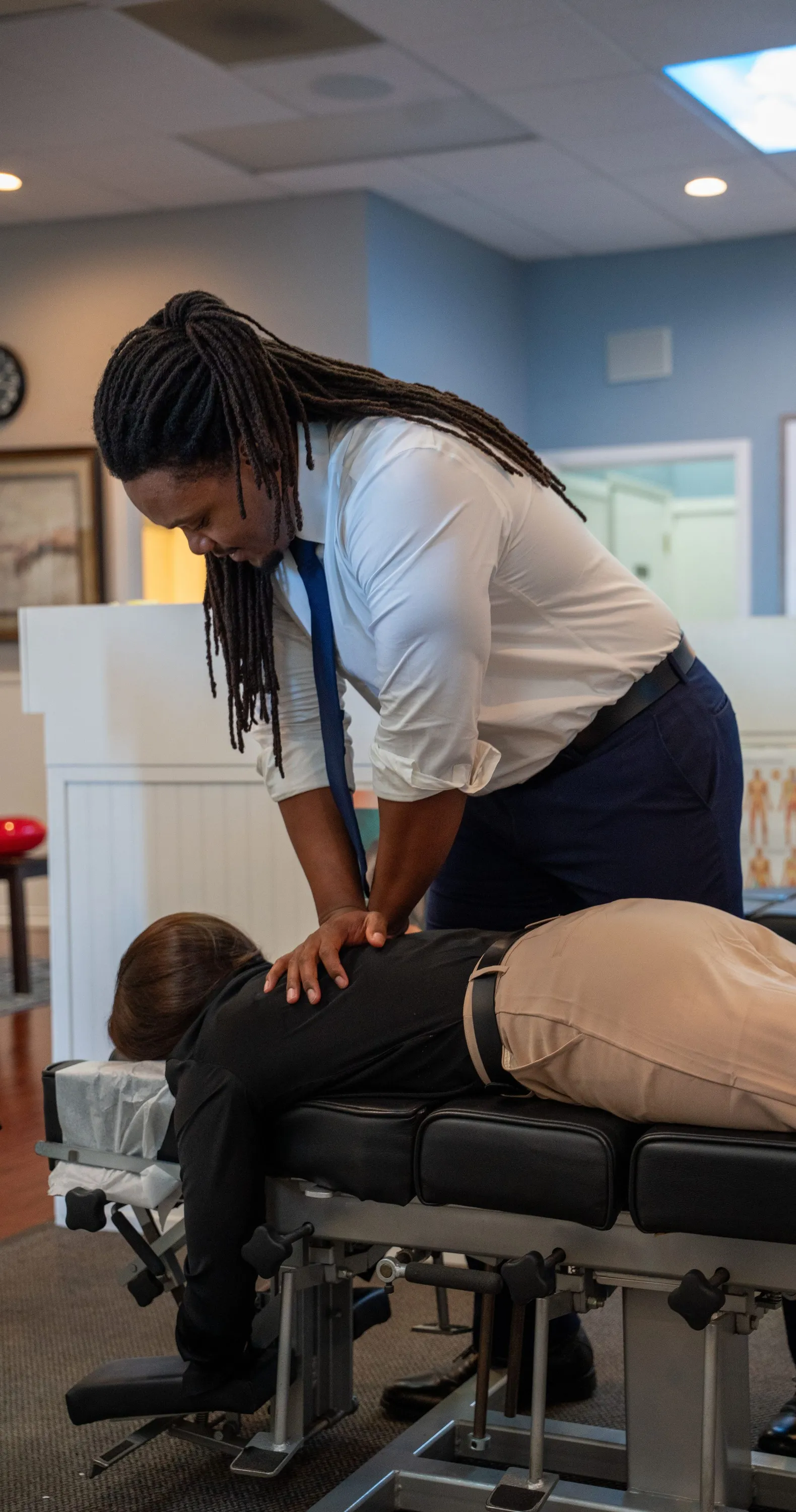
We use vibration therapy as a complement to chiropractic care, not a replacement for it. After an adjustment restores normal motion to a joint, the muscles around that joint still need to learn to support it in its new position. The platform helps with that retraining by activating the stabilizers in a low-load, consistent way. It can also reduce residual muscle soreness after a session, improve circulation and lymphatic drainage, and help patients with limited mobility get the neuromuscular input that keeps their joints healthy without putting stress on injured tissue.
Who tends to get the most out of it
Older adults focused on building strength and balance, patients recovering from low back or hip injuries, people who cannot tolerate high-impact exercise, and athletes looking to shorten downtime between training sessions all respond well. We also find it helpful for patients who feel like their adjustments are not holding as long as they would like. When the surrounding musculature is stronger and more engaged, corrections tend to last. Sessions are brief, usually ten to fifteen minutes, and require no special preparation.
Come in and see if it fits
Whole body vibration is one of several tools we draw on to give each patient the most complete plan we can put together. Not everyone needs it, and we would never add something to your care that does not serve a specific purpose for your body. If you are curious about whether it might help you, or if you are dealing with back pain, balance issues, or a recovery that has stalled, we would love to take a look. Call us at (408) 703-8498 to schedule a consultation at our San Jose office. We are happy to walk you through what we offer and what makes sense for where you are right now.