That stabbing heel pain when you first get out of bed has a name — and rest alone rarely makes it go away for good. Here's what is actually happening and why the fix often starts above the foot.
That stabbing pain in your heel when you first step out of bed in the morning — the kind that eases up after a few steps but comes roaring back the moment you have been sitting too long — has a name: plantar fasciitis. It is one of the most common causes of foot pain, and one of the most frustrating, because rest alone rarely makes it go away for good.
What Is Plantar Fasciitis?
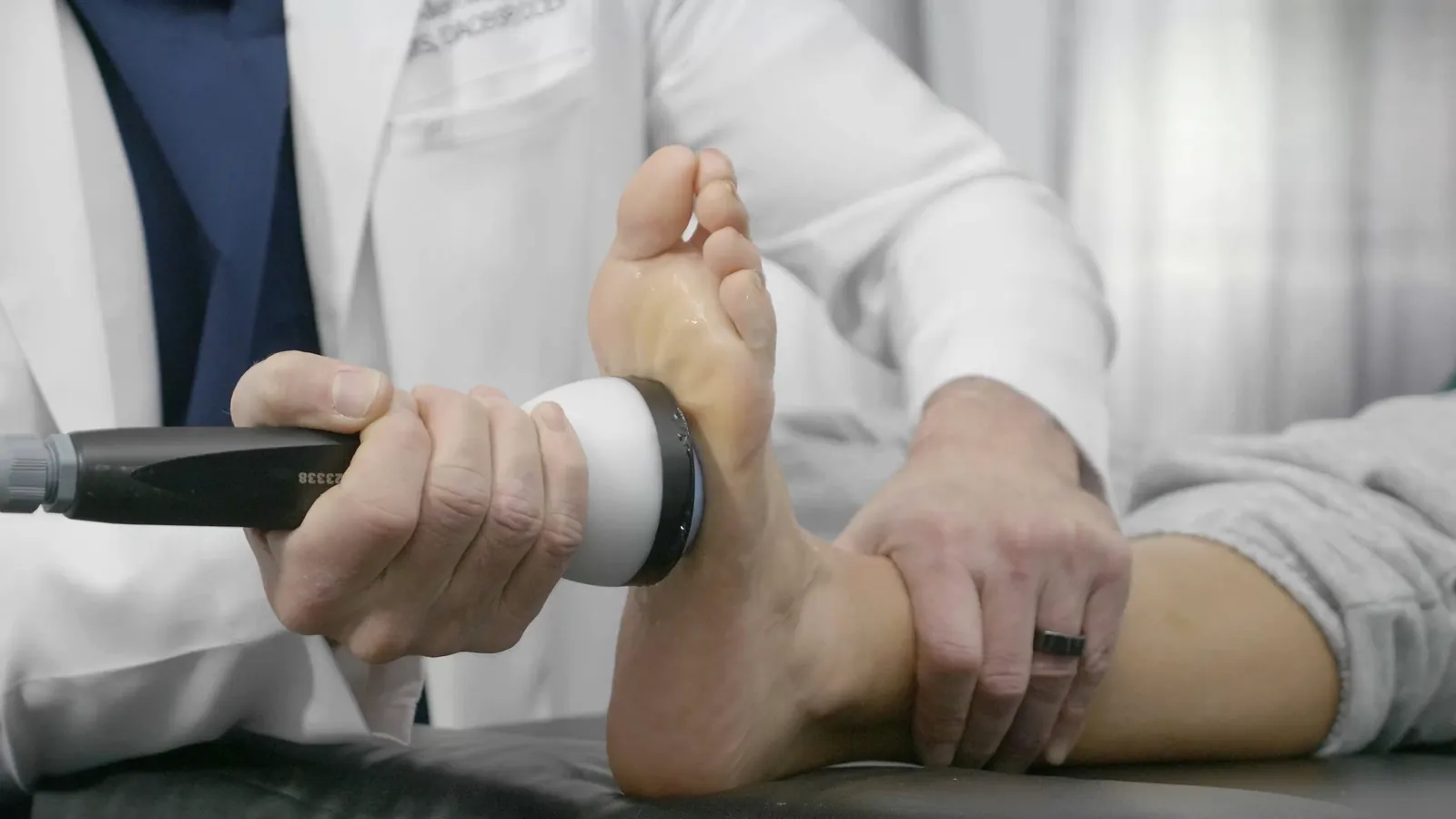
The plantar fascia is a thick band of tissue that runs along the bottom of your foot, connecting your heel to the base of your toes. When that tissue is repeatedly stressed or overloaded, it develops small tears and becomes irritated and inflamed. The result is that signature morning heel pain, along with discomfort after prolonged sitting or standing. Runners, teachers, retail workers, and anyone who spends long hours on hard floors is especially prone to it — but the condition can develop in anyone given the right combination of mechanics and daily load.
Why It Does Not Just Go Away on Its Own
The tough part about plantar fasciitis is that everyday life keeps reloading the same tissue. Every step you take puts tension through the fascia, especially first thing in the morning when it has tightened overnight. Many people try rest, ice, and stretching with some initial relief, only to find the pain returns as soon as normal activity resumes. That is because the underlying cause — how weight is distributed through the foot and ankle, how the calf muscles are functioning, how the foot is hitting the ground — often goes unaddressed.
The Role of Foot Mechanics and Spinal Alignment
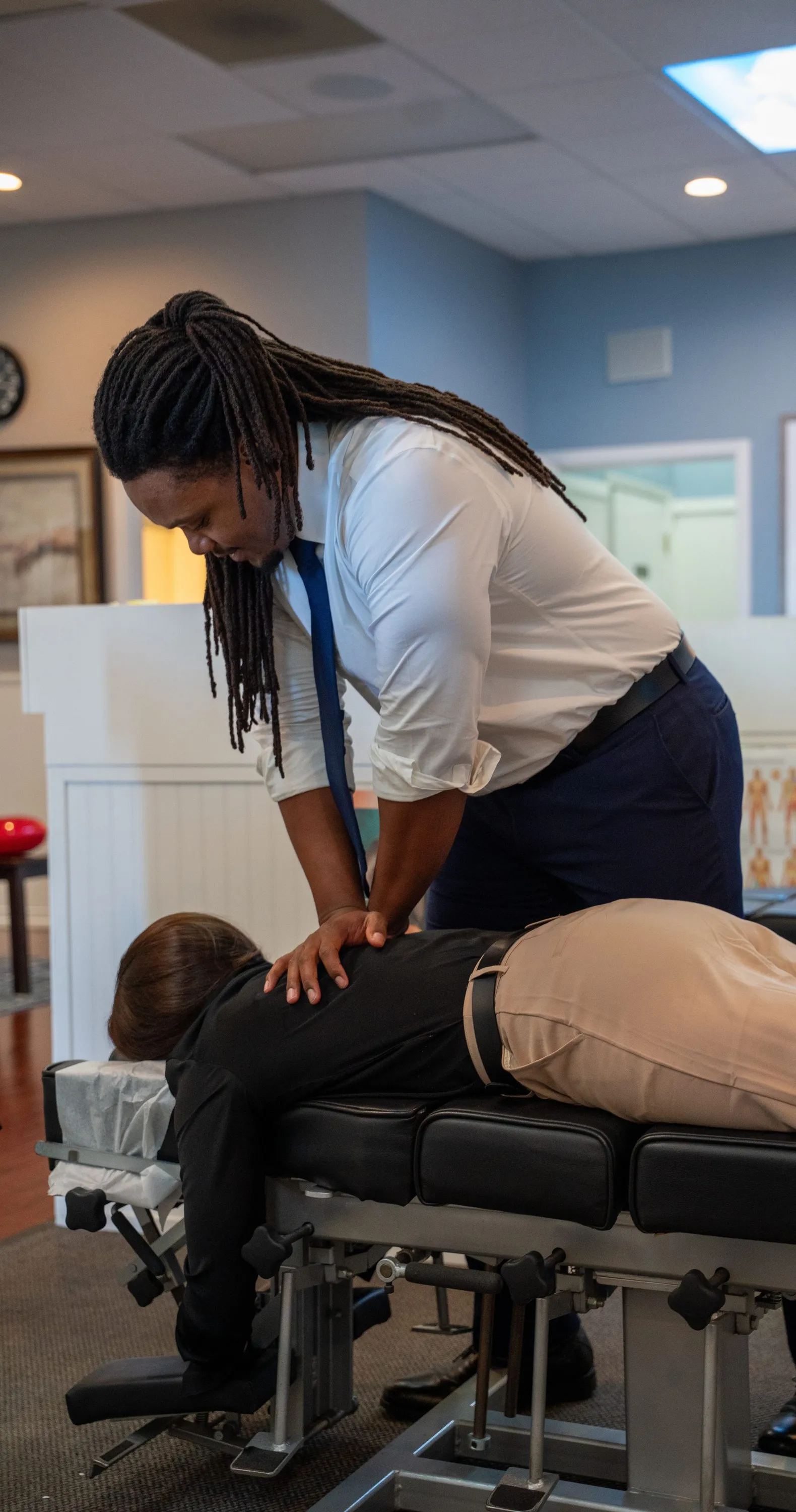
Foot mechanics do not exist in isolation. How your ankle, knee, hip, and lower back absorb each step has a direct effect on how much load the plantar fascia is handling. Tight calves and limited ankle mobility, for instance, transfer extra tension through the heel. A lower back or pelvis that is slightly out of alignment can shift the way you load your feet with every stride. Addressing only the foot without looking at the whole picture is why so many people go through the same cycle: temporary relief, return to activity, and relapse.
Getting to the Root of It
If morning heel pain is part of your daily routine, it is worth finding out what is actually driving it. At our San Jose office, we take a thorough look at how your foot, ankle, and lower body are moving together and talk through what is likely contributing to your symptoms. From there we can put together a plan that addresses both the local tissue and the mechanics behind it. Call us at (408) 703-8498 to schedule a consultation. You do not have to start every morning in pain.