Lower back tightness, neck stiffness, and numb hands after a long ride are not just part of being a cyclist. They are signals worth paying attention to — and usually straightforward to address.
Cycling is one of the most popular ways to move around San Jose and explore the roads and trails that run through the South Bay and into the surrounding hills. It is efficient, lower-impact than running, and genuinely enjoyable — which is exactly why most cyclists are willing to push through some discomfort to keep doing it. But lower back tightness after a long ride, neck stiffness that lingers into the next day, and tingling in the hands are not just part of the deal. They are signals worth understanding.
Why the Bike Position Is Hard on the Spine
The forward-lean position that road and mountain bikes require puts the lumbar spine in sustained flexion, flattens the natural curve in your lower back, and forces your neck into extension just to see the road ahead. On a short ride, your body handles that load easily. On efforts of two hours or more — or on back-to-back training days — that fixed posture begins to compress the discs in your lower back and adds cumulative load to the facet joints in your cervical spine. Road vibration transfers through the frame continuously, and any imbalance in how your hips are seated means that load is distributed unevenly with every pedal stroke.
What Cyclists Typically Feel
Lower back tightness that builds during or after a long ride is the most common complaint. Many cyclists also develop a nagging stiffness in the neck that takes a day or two to clear, headaches that arrive on longer efforts, and numbness or tingling in the hands — often in the pinky and ring fingers, which usually points to pressure along the ulnar nerve pathway from the wrist, elbow, or cervical spine. Less obviously, hip and glute soreness that does not respond to stretching often traces back to restriction in the sacroiliac joint or lumbar spine rather than the muscles themselves.
How Chiropractic Care Fits Into Your Riding
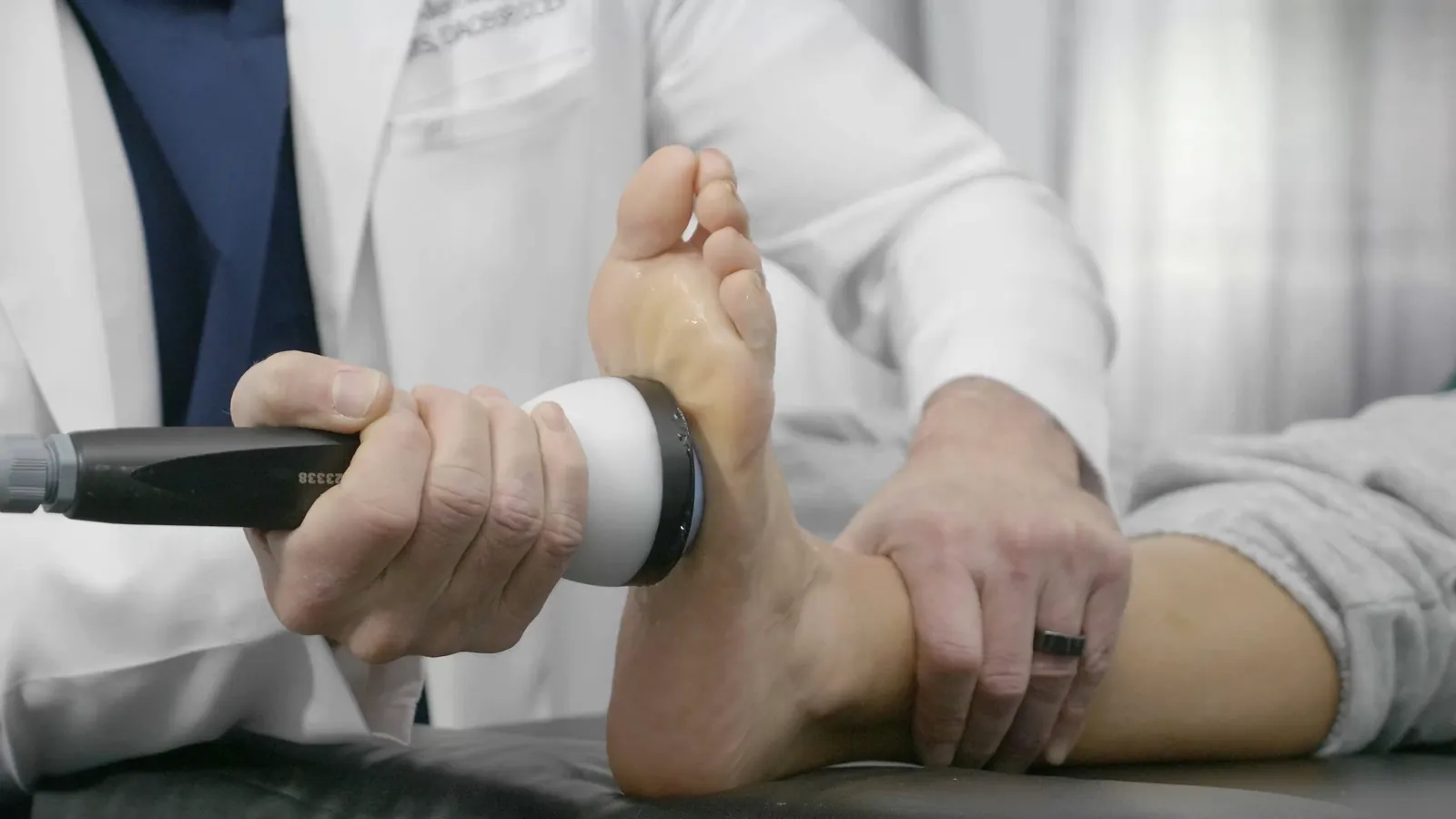
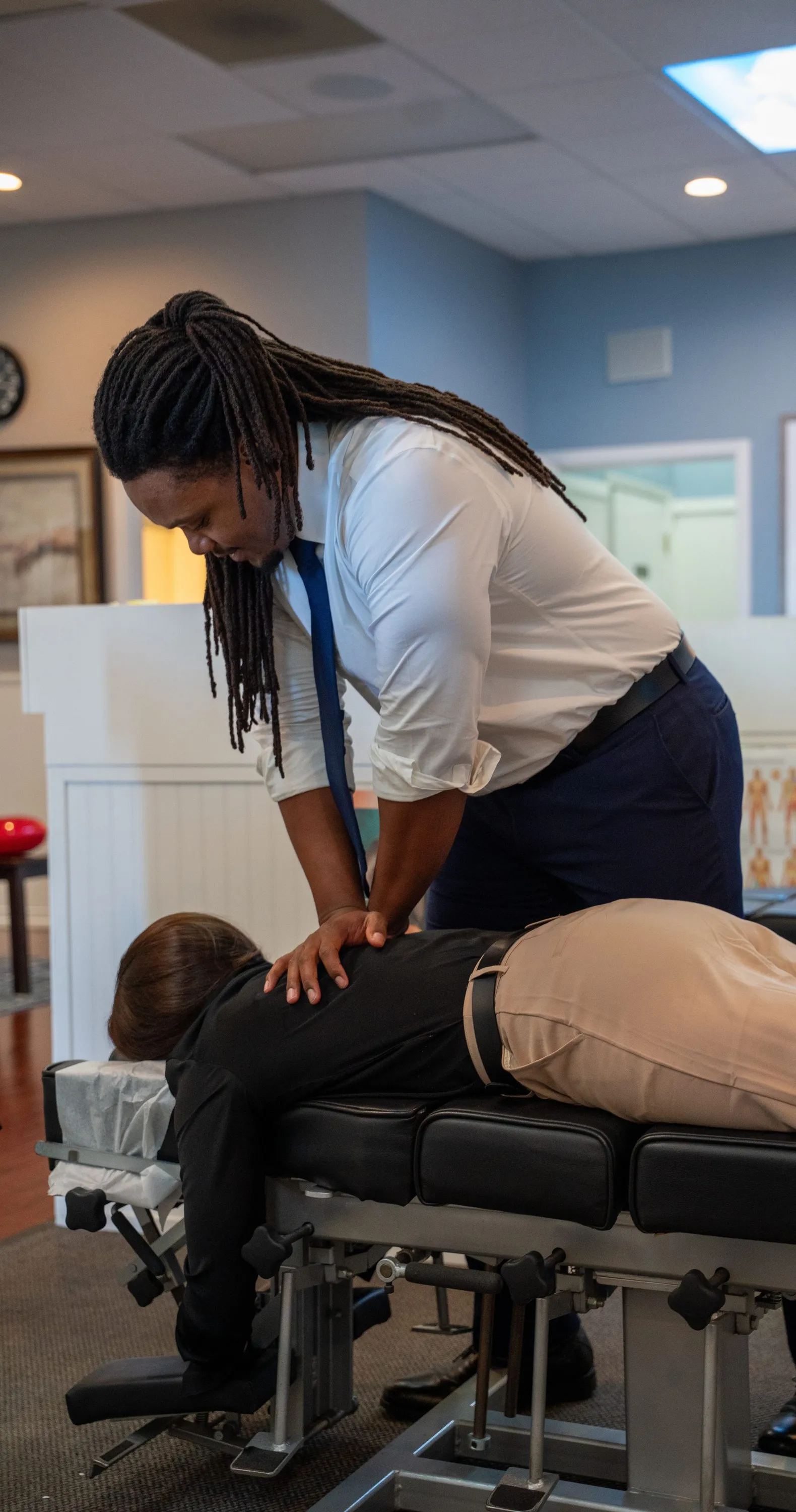
A chiropractic evaluation looks at how your spine and pelvis are actually moving, not just where things hurt. Joints that have stiffened from repetitive cycling stress respond well to targeted adjustments that restore their range of motion and take pressure off surrounding nerves. We also use the ArthroStim, a precise low-force instrument, for cyclists who train frequently and prefer not to add manual soreness on top of training fatigue. Addressing the relationship between your hips, pelvis, and lumbar spine can also improve how efficiently your power transfers through the pedals — which is a practical benefit well beyond pain relief.
Getting Ahead of It Before Small Problems Become Big Ones
Cyclists are often good at pushing through discomfort — the same threshold that gets you up a climb also keeps a lot of riders going with things that would be simple to correct while they are still early. If lower back tightness, neck soreness, or hand symptoms have been creeping into your rides, a spinal evaluation is a sensible first step. Call us at (408) 703-8498 to schedule a consultation at our San Jose office. We will take a thorough look at what is happening and talk you through what, if anything, makes sense to address.