A deep ache on one side of your lower back, near the top of your buttock, that shifts when you change position is a classic sign of sacroiliac joint irritation — a surprisingly common condition that often gets blamed on the lumbar spine.
Lower back pain is one of the most common reasons people seek care, but not all lower back pain starts in the lumbar spine. A large number of patients who come in describing a persistent ache on one side of their low back — often near the top of the buttock, sometimes reaching into the hip or upper thigh — are actually dealing with the sacroiliac joint, not a disc or a lumbar vertebra. Getting that distinction right makes a big difference in how effectively the problem gets addressed.
What the Sacroiliac Joint Actually Does
The sacroiliac joint (SI joint) connects the base of your spine — the sacrum — to the pelvis on each side. Unlike the joints in your lumbar spine, the SI joint is not designed for large-range movement. Its job is to absorb and transfer load between your upper body and your legs with every step you take. It is reinforced by some of the strongest ligaments in the body, which keeps it stable, but also means that when it becomes restricted or inflamed, it can be stubborn to settle. Most people have two SI joints, and symptoms usually appear on one side at a time.
What Irritates It — and Who Gets It
SI joint irritation does not require a dramatic injury. It can develop gradually from uneven gait patterns, prolonged sitting on hard surfaces, leg-length discrepancies, or changes in activity level — including picking up a new workout routine too quickly. A single awkward step off a curb or a heavy lifting moment can also strain the joint. Runners and walkers who log a lot of miles on one side of sloped roads are particularly prone to it, as are people whose work involves prolonged standing. The discomfort is often described as a dull ache that is worse after sitting for a long time, getting up from a chair, climbing stairs, or rolling over in bed.
How Chiropractic Care Addresses SI Joint Problems
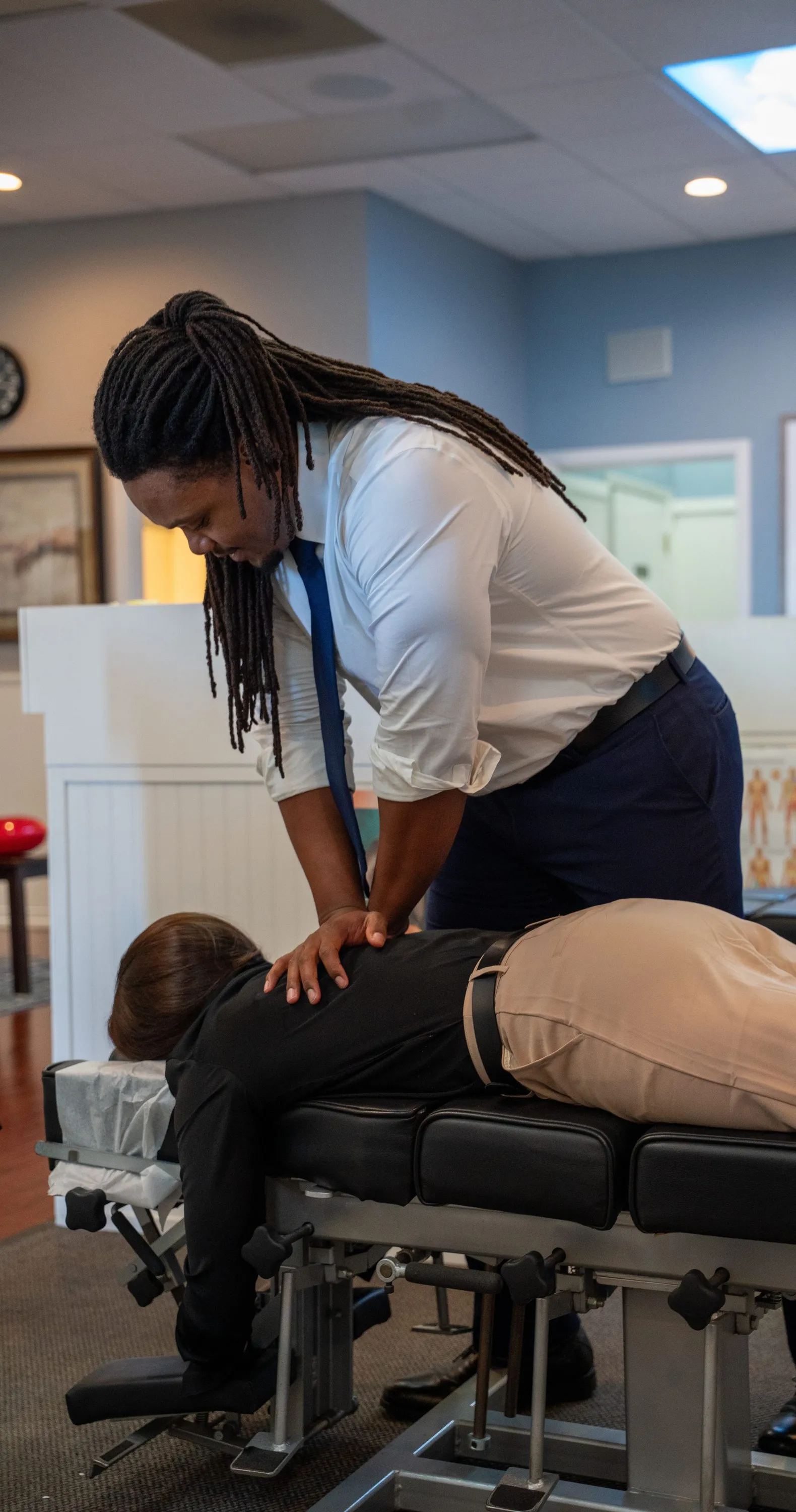
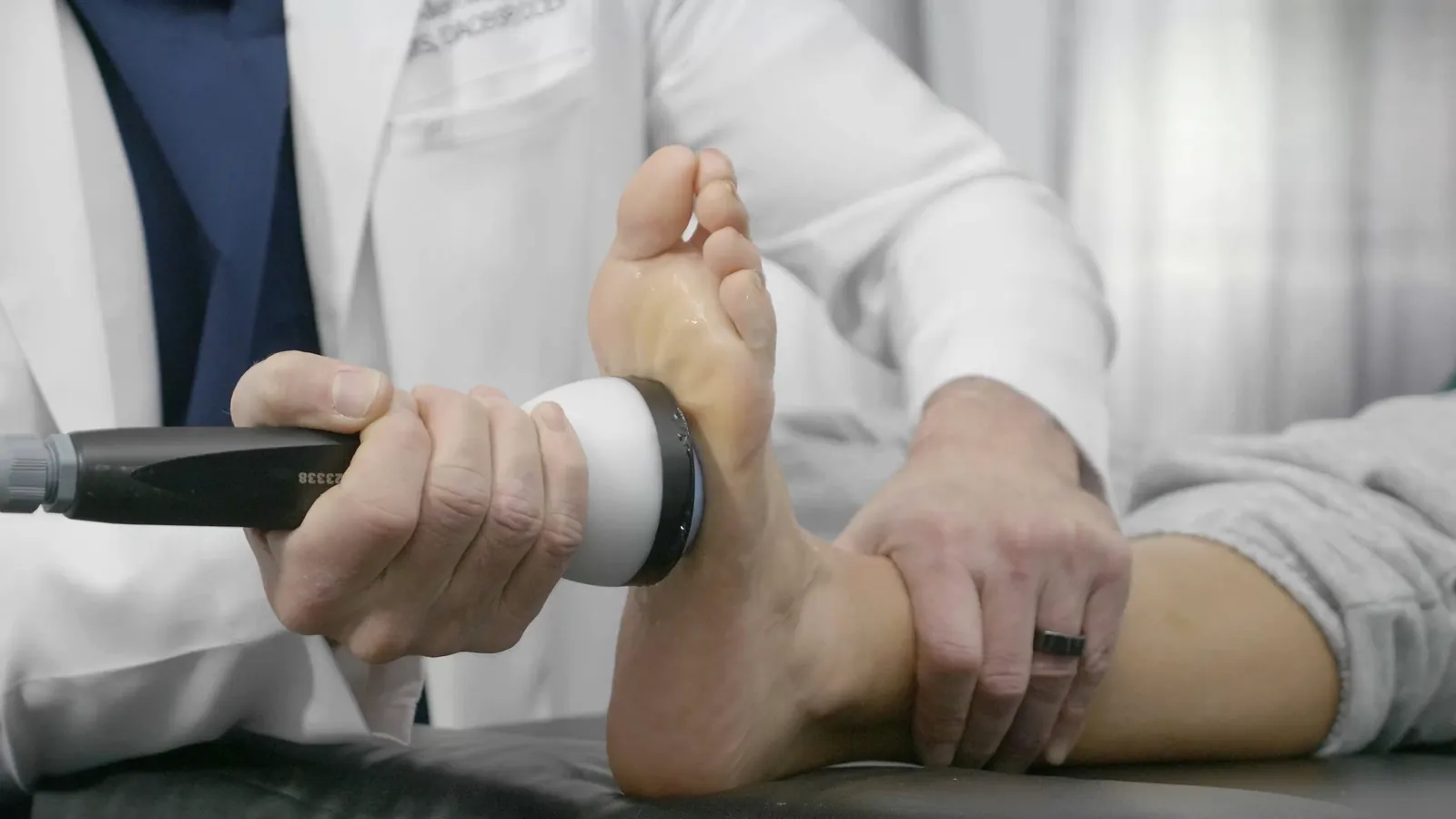
A chiropractic evaluation can identify whether restricted movement in the SI joint is contributing to your symptoms, and distinguish it from lumbar disc involvement, hip joint issues, or piriformis irritation — which can all produce pain in a similar area. When the SI joint is the source, targeted chiropractic adjustments to the pelvis and sacrum can restore normal joint mechanics and reduce the strain on surrounding ligaments and muscles. For patients who prefer a lower-force approach, the ArthroStim instrument works well here too, delivering precise input without the torque of a manual adjustment. Most patients notice a meaningful improvement within a few visits once the right joint is being addressed.
A Good Reason to Get an Evaluation Rather Than Wait It Out
SI joint pain has a way of becoming a background fixture — something people adjust their movements around rather than address directly. That compensation often creates secondary problems in the hip, knee, or lumbar spine over time. If you have been dealing with one-sided low back or buttock discomfort that has not responded to stretching or rest, it is worth finding out what is actually going on. Call our San Jose office at (408) 703-8498 to schedule a consultation. We will take a thorough look at your spine and pelvis and give you a clear picture of what is driving the pain.